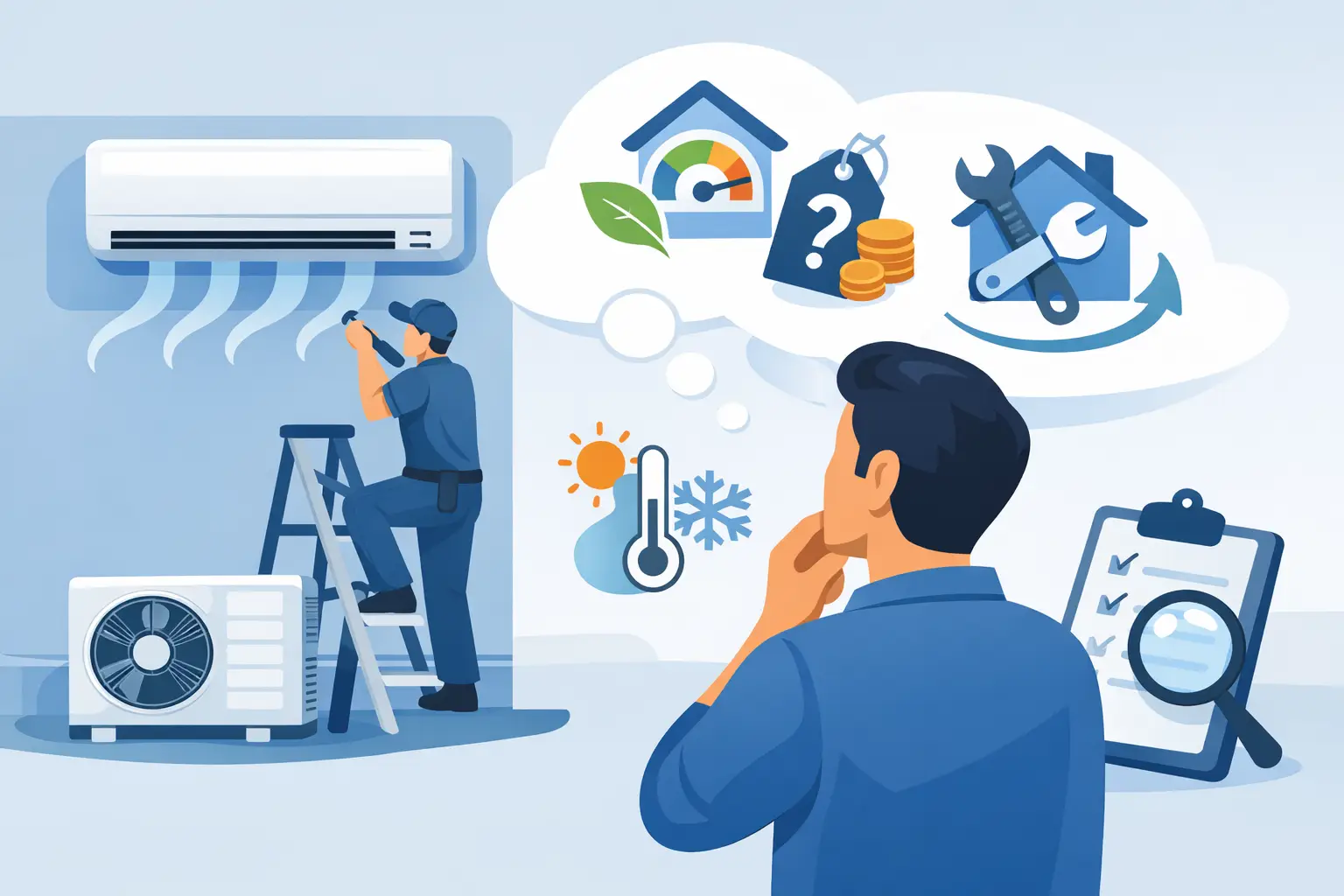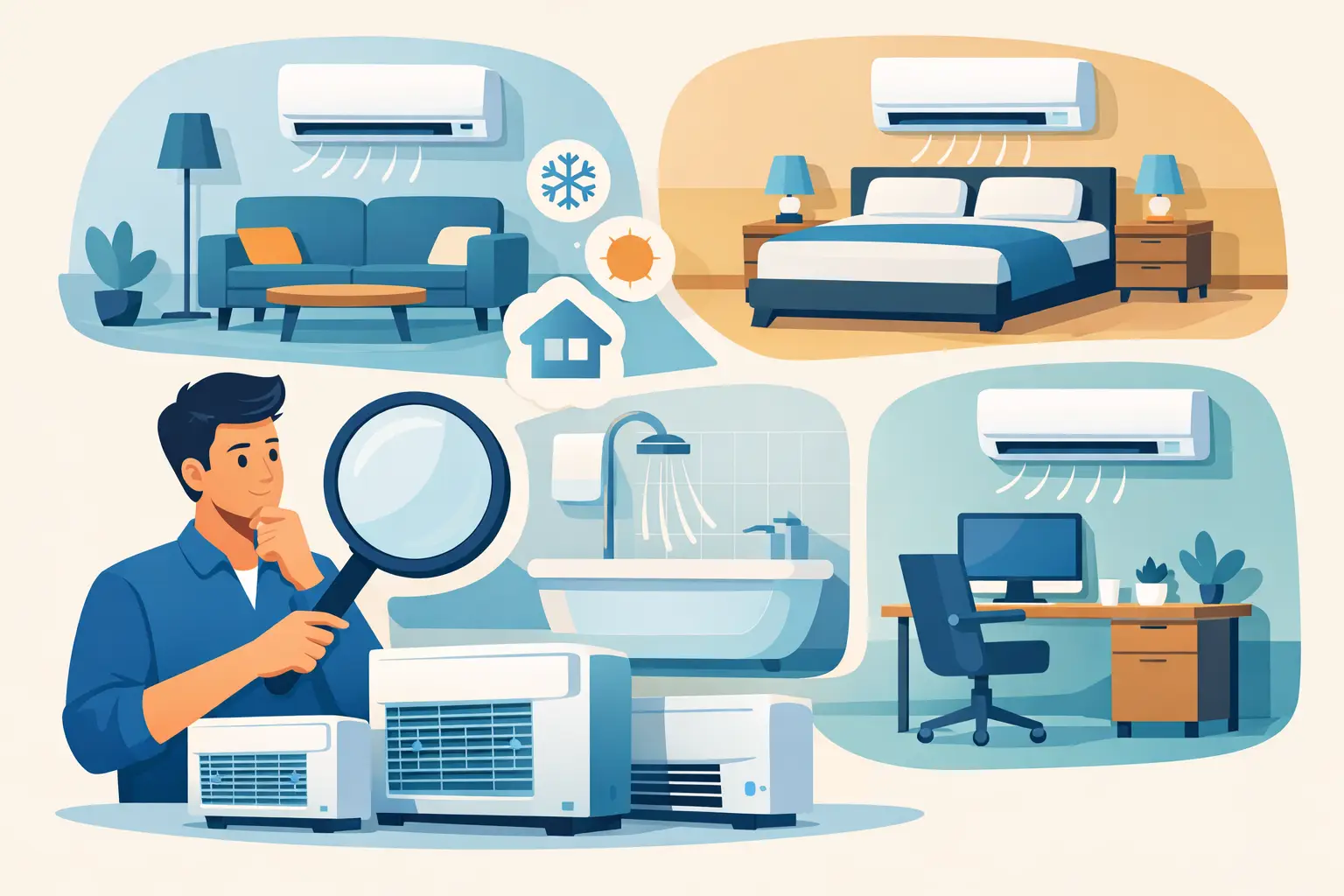
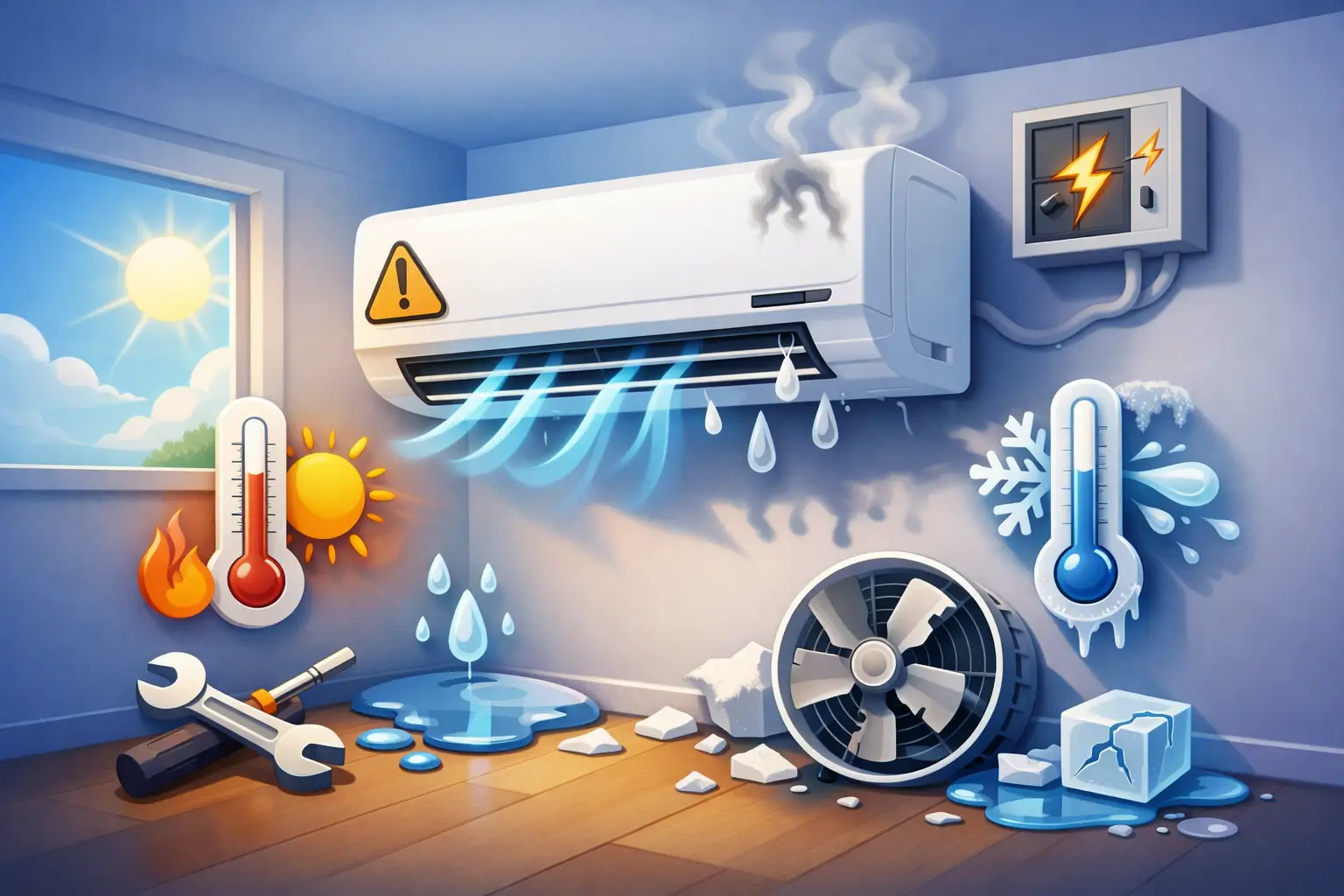
A comfortable home can turn hot quickly when an air conditioner starts struggling. The top signs AC needs repair are often easy to spot before the system stops working completely. Paying attention to changes in cooling, airflow, noise, or energy use can help you arrange service early, avoid unnecessary discomfort, and reduce the risk of a larger repair.
Top Signs AC Needs Repair
1. Your AC blows warm or only slightly cool air
If the thermostat is set correctly but the air coming from the vents feels warm, the system needs attention. This can happen because of low refrigerant, a dirty outdoor condenser, a compressor issue, or a problem with the thermostat or electrical components.
A unit that produces some cool air but cannot bring the room to the selected temperature also deserves a professional inspection. In very hot weather, an AC may run longer than usual, but it should still deliver consistently cool air. Turning the temperature lower will not fix the underlying issue and may place more strain on the system.
2. Airflow from the vents is weak
Weak airflow is one of the most common signs of an AC problem. You may notice that one room stays warm while another cools normally, or that the air coming from every vent feels too light. A clogged filter can restrict airflow, but it is not always the only cause.
Blocked ducts, a dirty evaporator coil, a failing blower motor, or damaged ductwork can also reduce circulation. Start by checking whether the filter is visibly dirty and whether supply vents are open and unobstructed. If airflow remains weak after a filter change, book a service visit rather than continuing to run the system under pressure.
3. The AC turns on and off too frequently
Short cycling occurs when an air conditioner starts, runs briefly, shuts off, and starts again soon afterward. It wastes electricity and can wear down parts faster because the system is repeatedly trying to restart.
Sometimes the cause is simple, such as a heavily clogged filter or an incorrect thermostat setting. Other times, short cycling points to refrigerant problems, frozen coils, an oversized unit, or a faulty sensor. Because several issues can create the same symptom, a technician should test the system before any repair is recommended.
4. Your electricity bill rises without a clear reason
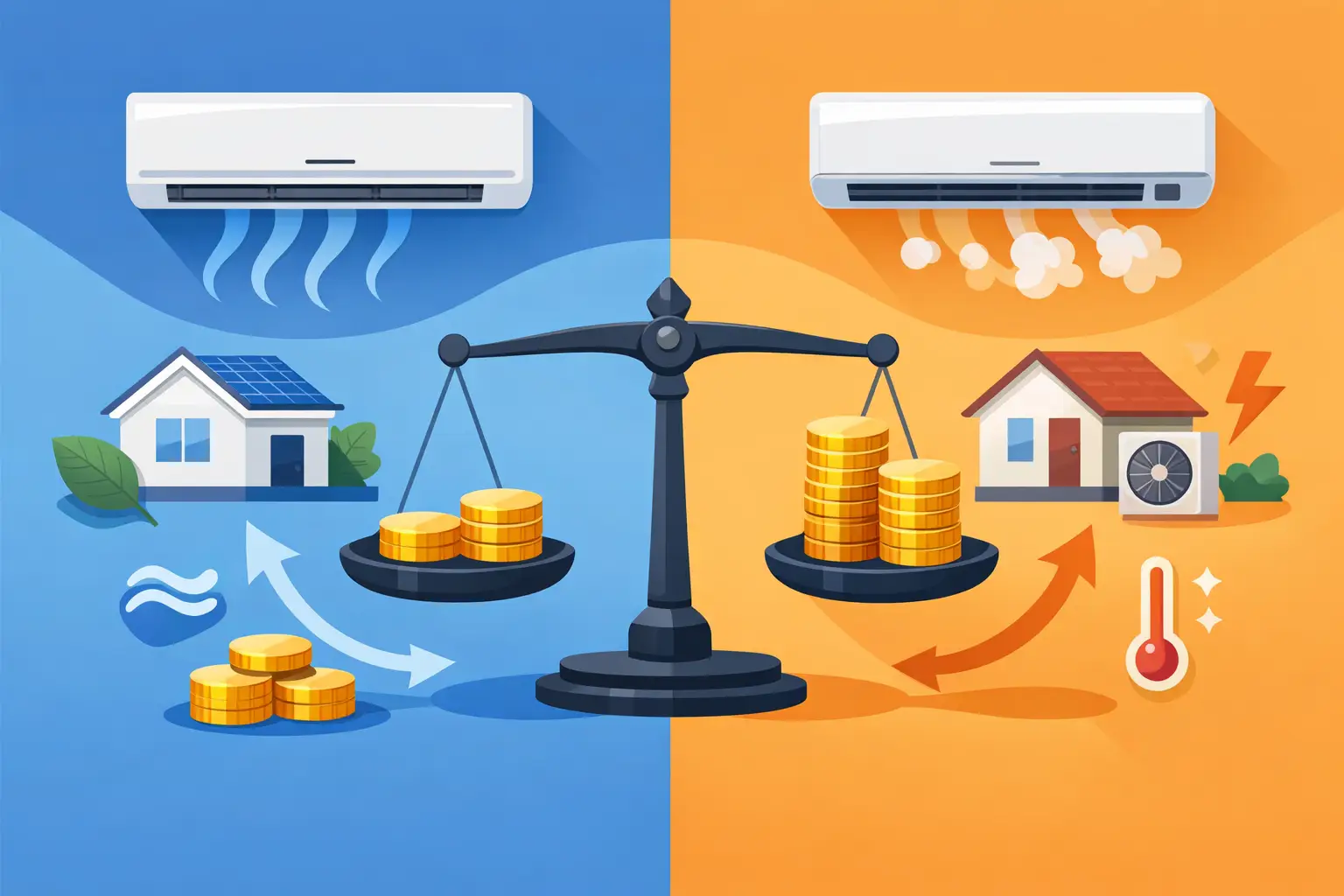
A higher utility bill is not always caused by an AC failure. Seasonal heat, more people at home, and longer operating hours can all increase usage. However, a sudden or ongoing jump in cooling costs can mean your system is working harder than it should.
Dirty coils, leaking ducts, low refrigerant, aging components, and poor airflow make the AC run longer to reach the same temperature. Regular servicing helps identify these efficiency losses early. It also gives the technician a chance to clean key components and confirm that the unit is operating safely within its intended range.
5. You hear grinding, rattling, buzzing, or squealing
Air conditioners make some normal operating sound, especially when the fan starts or the compressor engages. New, loud, or persistent noises are different. Rattling may indicate loose panels or mounting hardware, while buzzing can be linked to electrical concerns or debris around the outdoor unit.
Grinding or metal-on-metal sounds should be treated as urgent because they may involve a motor or other moving part. Squealing can point to a belt or motor issue in certain systems. Do not ignore unusual sounds simply because the AC is still cooling. Switching the unit off and arranging an inspection can prevent further damage.
6. There is water around the indoor unit
Water leaking from an indoor AC unit is never something to leave unattended. A blocked condensate drain line is a frequent cause, especially where dust, moisture, and buildup collect over time. The water may drip from the unit, stain a wall or ceiling, or collect near the drain connection.
A technician can clear the drain, inspect the drain pan, and check whether the unit is installed and draining correctly. Prompt service matters because even a small leak can lead to water damage, unpleasant odors, and mold growth around the unit or nearby surfaces.
7. You notice ice on the AC unit or refrigerant lines
Ice on the indoor coil, outdoor unit, or copper refrigerant line is a clear warning sign. It may seem like the system is working extra hard to cool, but freezing usually means airflow or refrigerant circulation is not right.
A dirty filter, blocked coil, malfunctioning blower, or low refrigerant level can all cause freezing. Turn the system off so the ice can thaw naturally, then arrange professional service. Continuing to operate a frozen AC can damage the compressor, which is typically one of the most costly components to replace.
8. The AC produces unpleasant smells
A musty smell when the AC turns on can indicate moisture buildup, a dirty filter, or microbial growth around the coil or drain area. A burning smell may signal an electrical or motor problem and should be taken more seriously.
Do not try to cover persistent odors with air fresheners. The source needs to be identified and cleaned or repaired. If you smell burning, see smoke, or notice repeated electrical tripping, turn off the AC at the thermostat and electrical supply if it is safe to do so, then contact a qualified technician promptly.
9. Humidity stays high inside your home
Your AC does more than lower the temperature. It also removes humidity as it cools the air. When rooms feel sticky, damp, or uncomfortable despite the system running, the unit may not be dehumidifying properly.
High indoor humidity can be caused by incorrect sizing, refrigerant issues, drainage problems, or a system that is short cycling before it completes a proper cooling cycle. It can also be affected by open doors, poor insulation, and outdoor weather conditions. A service check can separate an AC fault from a wider home ventilation issue.
10. The thermostat does not match how the room feels
If the thermostat says 72 degrees but the room feels much warmer, do not assume the thermostat is always the problem. The sensor may be affected by direct sunlight, a nearby appliance, dead batteries, or its location on the wall. But inconsistent readings can also be caused by poor airflow or a cooling system that cannot maintain the set temperature.
Check that doors and windows are closed, replace thermostat batteries if applicable, and confirm that the system is set to cooling mode. If the temperature remains inconsistent, a technician can test the thermostat, wiring, airflow, and cooling performance together.
When to Schedule AC Service
Some issues can wait for a convenient appointment, such as a mild drop in airflow or a filter that needs replacing. Others should be handled quickly. Water leaks, electrical odors, ice buildup, loud mechanical noises, and warm air during peak heat are reasons to arrange service as soon as possible.
Professional AC repair should begin with diagnosis, not guesswork. A proper visit may include checking filters and coils, testing airflow, inspecting drainage, measuring refrigerant performance, examining electrical connections, and confirming the thermostat response. This approach helps ensure you pay for the repair the system actually needs.
For homeowners and tenants, preventive maintenance is often the simplest way to avoid surprise breakdowns. Cleaning, inspection, and performance checks before the hottest months can help keep cooling reliable when your household needs it most.
If your AC is showing even one of these warning signs, do not wait for a complete failure to make a plan. A timely inspection can protect your comfort, your energy budget, and the life of the equipment already installed in your home.