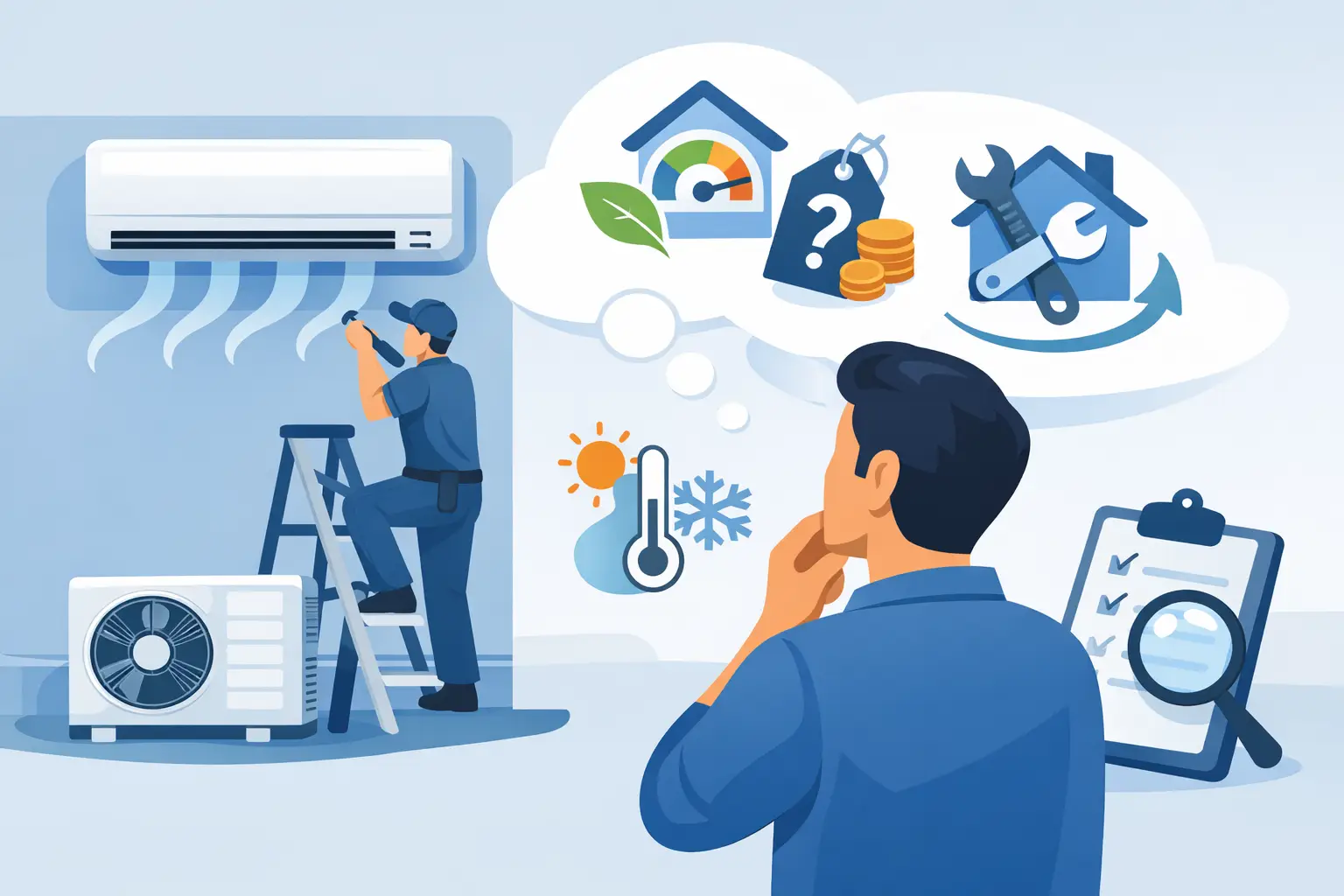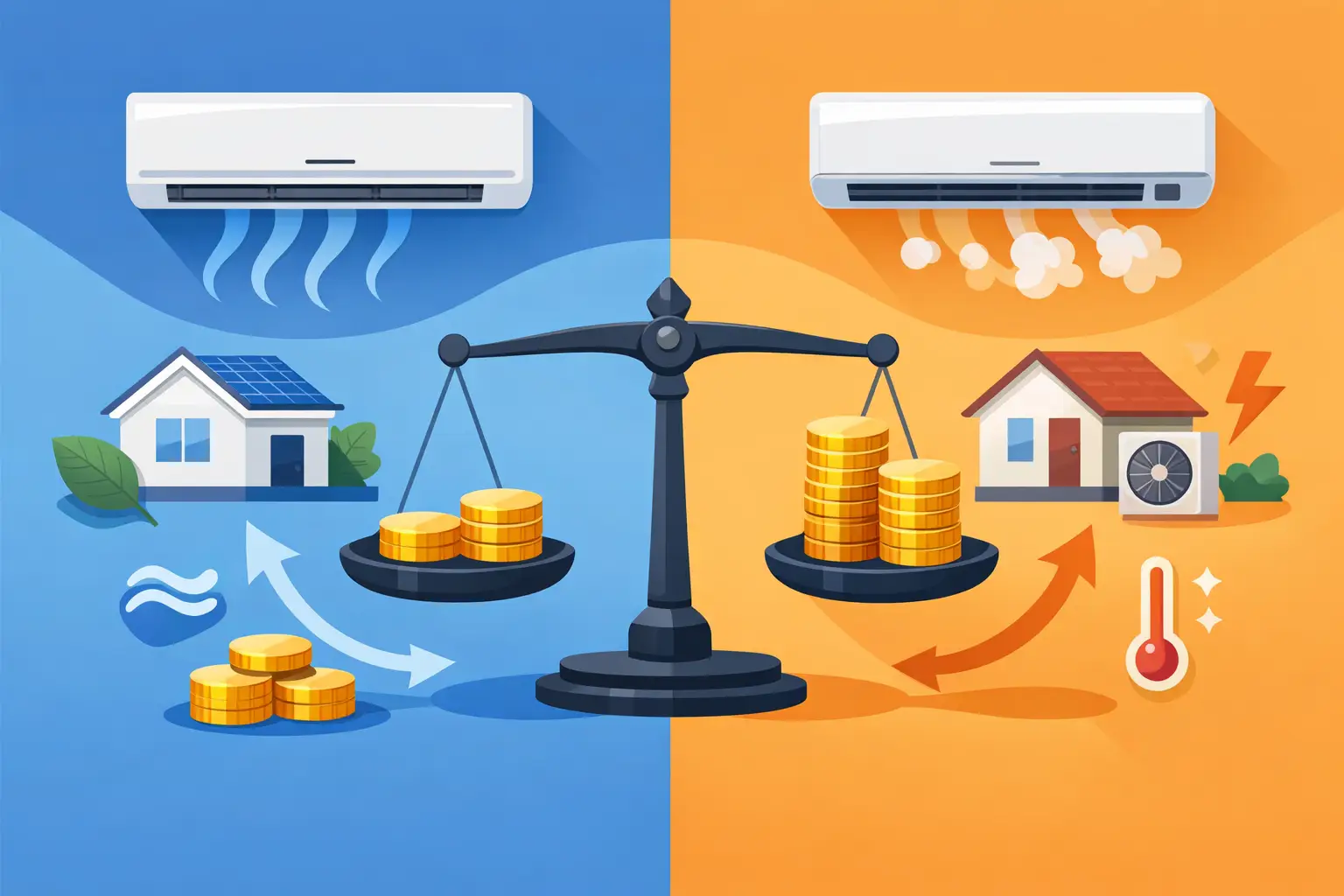
Your AC may still blow cold air while using more electricity than it should. In a hot climate, small issues such as a dirty filter, clogged drain line, or low refrigerant can quickly affect comfort, indoor air quality, and monthly energy costs. If you are asking, “how often should ac be serviced?” the dependable answer for most homes is twice a year, with at least one full professional service before the hottest months.
For lighter use or cooler areas, an annual service may be enough. But homes where the air conditioner runs for long hours, especially during extended summer heat, benefit from a pre-season check and a second inspection later in the year. Regular servicing is a practical way to avoid an unexpected breakdown when you need cooling most.
How Often Should AC Be Serviced?
Most residential split AC systems should receive professional maintenance every six months. This schedule helps technicians find early signs of wear, clean components that affect airflow, and confirm that the system is operating safely and efficiently.
A good routine is to schedule one service before peak cooling season, then another around six months later. The first visit prepares the unit for heavy use. The second helps address dust buildup, drainage issues, and performance changes that can develop after months of operation.
An annual appointment can work for a guest room unit, a vacation property, or an AC that is only used occasionally. However, waiting a full year is usually not the best choice for a main living area, bedroom, office, or small business space where cooling runs daily.
Why Hot, Dusty Conditions Require More Attention
Air conditioners work harder when outdoor temperatures stay high. The compressor, fan motor, and electrical components operate for longer cycles, while filters and coils collect more dust from regular use. A system that is slightly dirty may still cool the room, but it has to work harder to do the same job.
Dust is one reason filters need regular attention. A blocked filter restricts airflow, which can make rooms cool unevenly and place extra strain on the indoor unit. Dirty evaporator coils can also reduce cooling performance, while a clogged condensate drain may lead to water dripping from the indoor unit or moisture damage around it.
For homes with pets, frequent open windows, nearby construction, smokers, or family members with allergies, service needs may be greater. These conditions can cause filters and indoor components to become dirty faster. In these cases, checking filters monthly and arranging professional service every three to six months may be worthwhile.
What a Professional AC Service Should Include
AC servicing should be more than a quick filter rinse. A professional technician should inspect the full system and explain any issues clearly before recommending additional work.
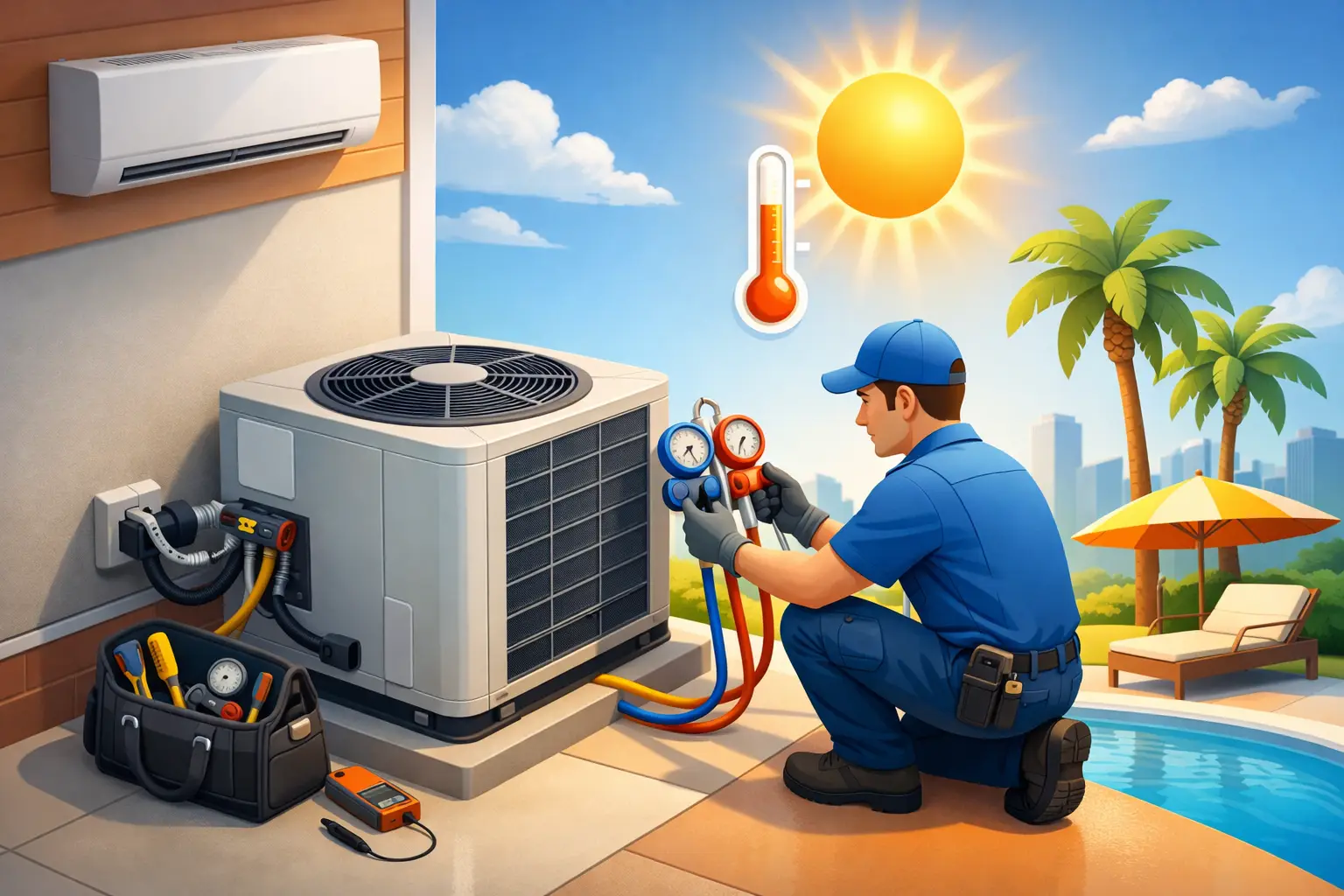
A standard maintenance visit commonly includes cleaning or checking the air filters, inspecting the indoor evaporator coil, and cleaning the outdoor condenser unit where needed. The technician should also check the drain pan and drain line, test cooling performance, inspect electrical connections, and listen for unusual fan or compressor noise.
For split AC systems, the service should also include checking the insulation around exposed piping and looking for signs of refrigerant leaks. Refrigerant is not a routine top-up item. If the level is low, the system may have a leak that needs to be identified and repaired rather than simply refilled.
The technician may measure temperature output and operating pressure to confirm the unit is cooling properly. These checks help distinguish a minor cleaning issue from a problem with the compressor, capacitor, fan motor, thermostat, or refrigerant circuit.
Ask for a clear explanation of what was cleaned, what was tested, and whether any repair is recommended. Transparent service helps you plan ahead rather than being surprised by urgent work later.
Signs Your AC Needs Service Before Its Next Appointment
Do not wait for the next scheduled visit if the AC begins showing clear changes in performance. A prompt inspection can prevent a smaller fault from turning into a costly repair.
Book service if you notice weak airflow, warm air, uneven temperatures between rooms, or a unit that runs constantly without reaching the set temperature. Water leaks from the indoor unit, ice on coils or piping, burning smells, rattling sounds, and repeated circuit breaker trips also need professional attention.
A sudden increase in your electric bill is another useful warning sign. Higher energy use does not always mean the AC is failing, but it can indicate restricted airflow, dirty coils, thermostat issues, or a system that is running longer than normal.
There is a difference between regular maintenance and repair. Maintenance is scheduled to keep the system clean and operating correctly. Repair is needed when a component has failed or the system has developed a fault. Keeping up with service does not guarantee that a part will never fail, but it gives technicians a better chance of identifying wear before cooling stops completely.
Simple AC Care Between Professional Visits
Homeowners and tenants can help their AC perform better between appointments without taking on risky technical work. The most useful task is checking the filter regularly. If it looks dusty or gray, clean it according to the manufacturer’s instructions or replace it if it is disposable.
Keep the area around the outdoor unit clear of boxes, plants, and stored items. The condenser needs open space to release heat. Avoid spraying water directly into electrical areas or attempting to open panels, disconnect wiring, or add refrigerant yourself.
Inside the home, keep supply vents open and avoid blocking them with furniture or curtains. Set a reasonable thermostat temperature instead of forcing the unit to run at its lowest setting for long periods. A moderate, consistent setting can improve comfort while reducing unnecessary strain.
If you are moving into a new property, have just installed a new AC, or have inherited a unit with an unknown service history, arrange an inspection before relying on it for daily cooling. This is especially helpful after renovations, long vacancies, or a dusty construction period.
Choosing the Right Service Schedule for Your System
The best schedule depends on how much the unit runs, the condition of the property, the system’s age, and the environment around it. A newer unit in a clean, lightly used room may be fine with yearly maintenance. An older system cooling a busy family home will usually need more regular attention.
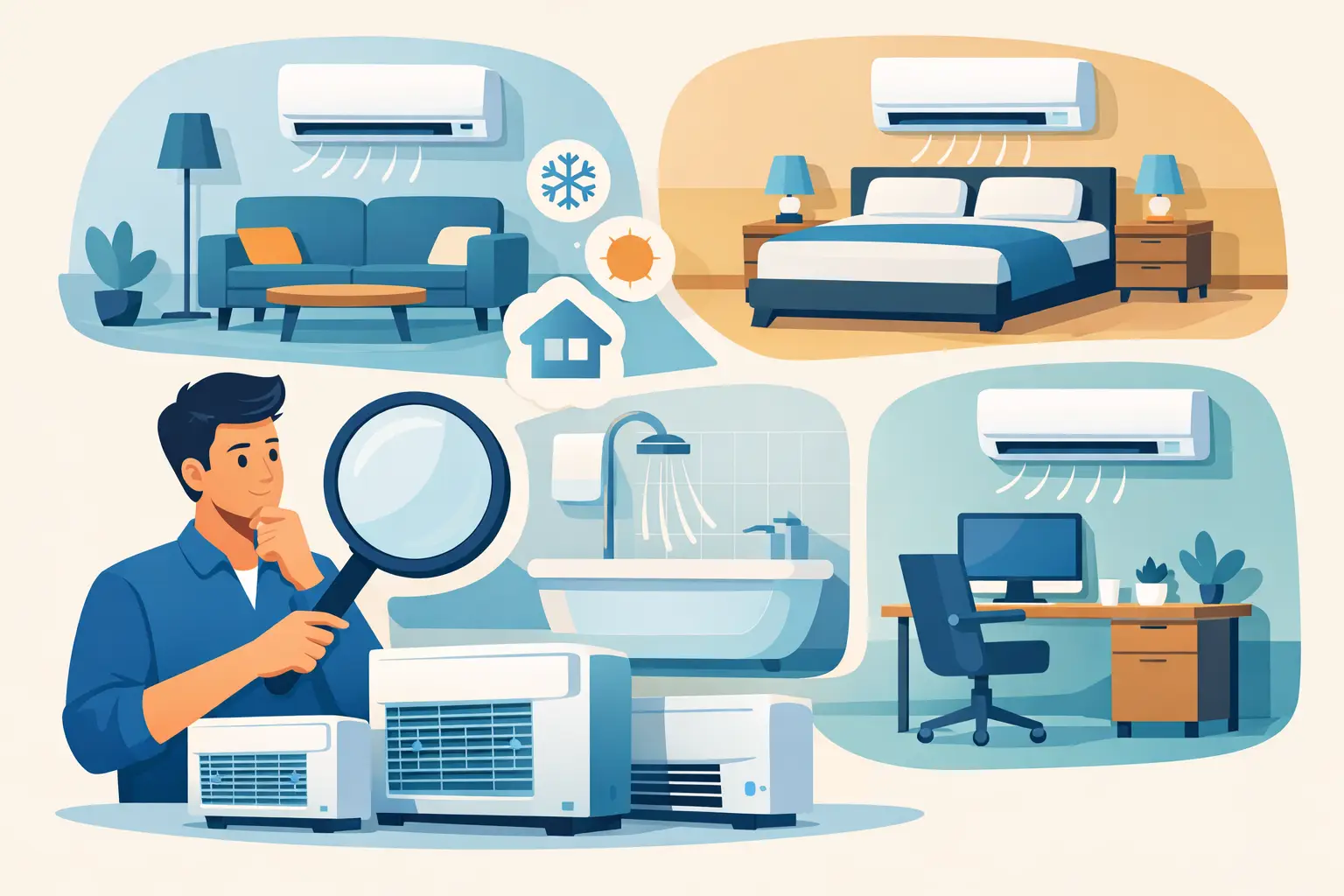
It also helps to consider the type of AC. Central systems, ducted units, window units, and split systems have different components and access requirements. Split AC units are common in homes and apartments, but each indoor and outdoor unit should still be assessed individually. One room may have excellent airflow while another has a blocked drain or dirty coil.
When booking, provide the number of units, their approximate age, and any symptoms you have noticed. This helps the service team arrive prepared and gives you a more accurate understanding of the work involved.
Reliable maintenance is not about servicing an AC more often than necessary. It is about servicing it before reduced airflow, heat, dust, and drainage problems affect your comfort. For dependable home cooling, schedule professional care every six months, check filters regularly, and act quickly when the system starts behaving differently. Roukin Al Yarmouk can help keep your AC clean, efficient, and ready for the next hot day.